fiction

The Shortening Attention Span of Readers: How It’s Re-Shaping the Market

By Molly Pruetz

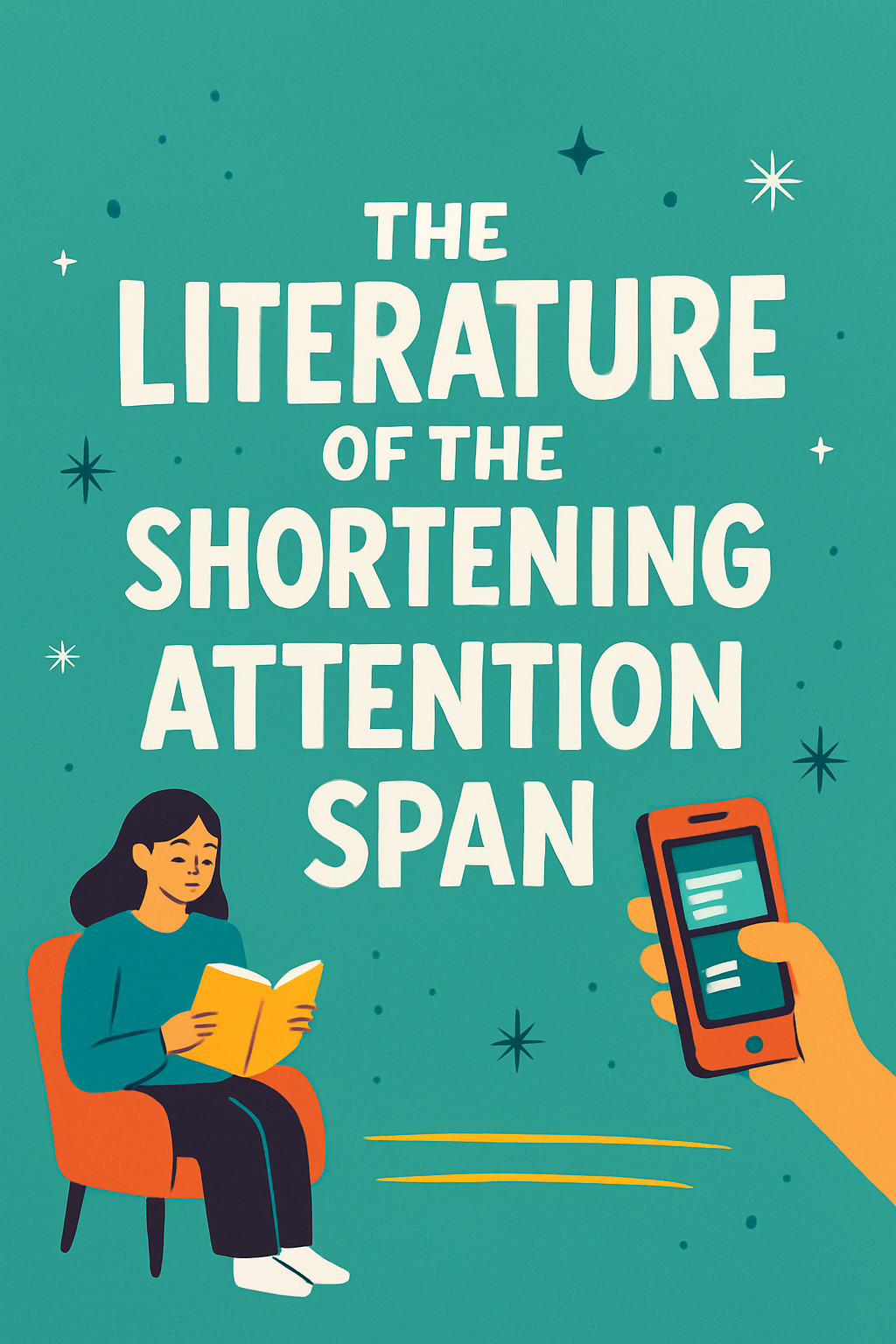
We live in an age where content competes for our attention in increasingly shortening bursts. In a digital world full of endless scrolling, how is the shortening attention span of readers changing what books are written, published, and read?

In a quiet moment after a long day, reaching for your phone feels so much easier than cracking open a book. Sometimes the last thing I want to do is string two sentences together (the trials of an English student, I suppose), but scrolling through endless short-form video content and social media often leaves my brain feeling like mush. So why not just pick up a book?

Maybe it’s because reading a whole page - even a whole paragraph, at times - feels overwhelming. It requires a skill that we are quickly learning to withhold: our attention. And, when we do have the long-awaited opportunity to pick up a book, we realize we have to work for the dopamine rush that our phones provide with no effort.

All day, our attention is fought for: by our jobs, our homes, our families, our pets…and our phones. We all know how the algorithms work, and we joke about them constantly. Whenever some niche content appears on our screen, chances are the comments will read along the lines of “idk how I ended up here, but I love it” or “the algorithm knows me better than I know myself.”

So, what does this have to do with our desire to read a book?

Simply put, technology (social media, specifically) in our culture has altered our mass reading habits. Are there still people out there who read multiple books weekly? Absolutely! I personally know several. Does it also seem a bit improbable that there is someone out there who finds the time to read multiple books a week? Absolutely.

And why is that?

Because the short form content we love so much is reconditioning our attention span. Nowadays, asking an audience to concentrate on one thing for multiple minutes at a time (forget hours) is a tall order. We’ve slowly conditioned ourselves to receive low-effort, fast-acting dopamine. All we have to do is sit and stare at our phone. (I know I’m guilty of it.)

Our attention span has adapted to a dopamine cycle of instant gratification that prioritizes speed over depth, and I think this has begun to reflect in our literature. Not just in how we read a book, but in what books we are picking off the shelves at Barnes & Noble.

In selecting a piece of fiction, there are two general categories: low-effort and high effort. I asked ChatGPT how it might define the conventions of both low and high effort fiction. Here is what it generated:

Low-effort fiction generally centers on -

  • Simple language (often verging on juvenile)

  • Plot/trope-based storytelling with instant gratification

  • Sex or trauma-forward marketing (‘emotionally devastating’ or ‘spicy’)

  • Fanfiction pacing and structure (alternating POVs, cliffhangers, emotionally unearned arcs)

  • Algorithm appeal (designed to hit niche markets via TikTok aesthetics (‘morally gray man,’ ‘feral girl energy,’ ‘he falls first’).

High effort fiction generally centers on -

  • Dense or complex prose (often more philosophically or emotionally loaded)

  • Thematic or philosophical weight (often no clear resolution, and ambiguity is intentional)

  • Formal Experimentation (structure is nonlinear or fragmented)

  • Slow or Ambiguous Plot (focus is often interiority, not action)

  • Intertexuality/literary References (expects you to recognize, or at least sense, echoes of philosophy, art history, mythology, or other literature)

  • Moral Ambiguity/psychological complexity (you’re not told what to think or feel about characters)

Platforms like TikTok and Youtube are saturated with content that reviews, summarizes, and recommends books (we don’t even have to blind guess anymore, we can just read Goodreads comments). Consumers buy those books. Sales go up. And suddenly, ‘low effort’ content is in the spotlight.

While both categories have their merits, there is one ruling difference: the amount of effort it requires of you—the reader—in order to engage with a text. Low-effort content is easier to read. It feels comforting and predictable because, chances are, you’ve read the same story (with slightly different characters or settings) a hundred times. It’s safe, it’s known, it’s relaxing. This also means it can get boring fast. On the other hand, high-effort content expects something of you. Whether that is pre-existing knowledge (bite the bullet, use a dictionary) or reading to the end of the chapter (I’m looking at you, Zadie Smith), high-effort content respects a reader’s intelligence. It demands reader accountability. It wants you to engage. And in a world where we are used to swiping up the moment we feel dissatisfied, it’s no wonder low-effort content is flying off the shelves.

There has always been a limitless range of subjects and genres to read from, but within the last 5-7 years, the literature market has seen high profitability from ‘low effort’ literature. Why is that? We’ve been through a lot in the last five years alone. We don’t want to dwell on heavy topics that require homework to understand. We want a real break from life. Something easy to pick up and put down, fast-paced, and something that keeps going (stability). We want a low-effort, easy-dopamine ‘pick-me-up,’ sound familiar? (See Sarah J. Maas, Emily Henry.)

Because here’s the larger problem: if we’re continuing to desire increasingly low-effort literature, what does this mean for literature in the long run? Where are the stories that will guide us, teach us, grow us? Storytelling is inseparable to the experience of being human. What happens when we don’t have the time of day for it anymore because we’re chasing a dopamine high?

Don’t get me wrong, I’m not saying there’s anything wrong with picking up a new ‘low-effort’ read, (sometimes that’s just what TikTok ordered), but I do think there is merit in taking on a challenge to read outside of your preferred genre. Even if it takes you forever, you’re feeding your brain by doing something different. Sample the buffet because you can, have fun with it!

So, whether you pick up a cozy fantasy, tumble headfirst through the Library of Babel, ask yourself: why am I reading this? Are you looking to be comforted, challenged, or distracted? (Trust me, the dopamine is sweeter when you earn it.) In a world where attention is our most valuable commodity, our literature is being reshaped by what we’re willing to spend it on. So, every so often, switch it up. There are so many stories out there waiting for you to give them a try.

You are the market, and there is power in what you buy, read, and share. If you want more of a certain kind of story—read it. Talk about it. Post about it. Be vocal. Literature can still stretch us, slow us down, make us think, and help us grow, both as individuals and as a community. But whether you’re reading something ‘low’ or ‘high’ effort, just keep reading!
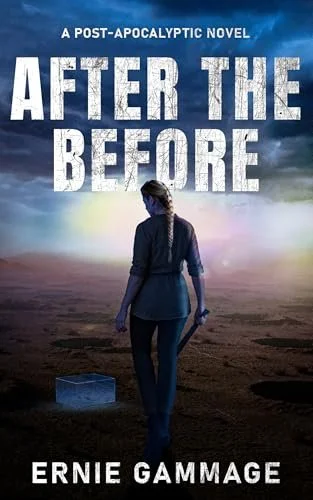
Success In the Press: AFTER THE BEFORE by Eric Gammage

"More than just another survival story." - Reader's Favorite

"More than just another survival story." - Reader's Favorite ★

From the Author: Three hundred years after the fall of civilization, scavengers Sophie and Markus uncover a sealed, translucent box buried deep in the ruins of The Before. What’s inside might hold answers to the apocalyptic origins of The After and a path to a safer future—if it can be opened.

Hoping for help, they set out for the faraway City where a reclusive historian may have the knowledge they need. The trek takes them across the cratered plain, bombed almost into oblivion, and infested with unstoppable humanoid machines hungry for human flesh.

When a religious fanatic derails their mission, Sophie and the box disappear. Markus enlists unexpected allies to help find her, pushing into the heart of his worst fears and opening bitter wounds and testing loyalties.

What’s in the box may lead to a better future—but it just might cost them each other.

“ [...] Gammage has a real sense of visceral tension, and he delivers more than just another survival story because of the heart and soul of the characters. It’s the emotional weight packed with issues of grief, trust, fear, and hope that gives the journey its power.”
— Reader's Favorite

Our Take: Bleak, tense, and beautifully strange, After the Before drops readers into a post-apocalyptic world where history has turned to myth and survival means confronting both literal monsters and personal demons. With a mystery at its core, this novel combines high-stakes adventure with emotional weight. Gammage captures the grit of a ravaged world and the fragile hope that something better might still be possible. A great pick for fans of speculative fiction that blends action, mystery, and humanity at the edge of ruin.

From a Reader: “A well written, fast paced allegorical tale of what our near distant future could be. The prose delivered well developed descriptions of landscapes and characters I was immediately taken with. Definitely a book I will recommend to all my reader friends.”

Amazon | Goodreads | Author Site

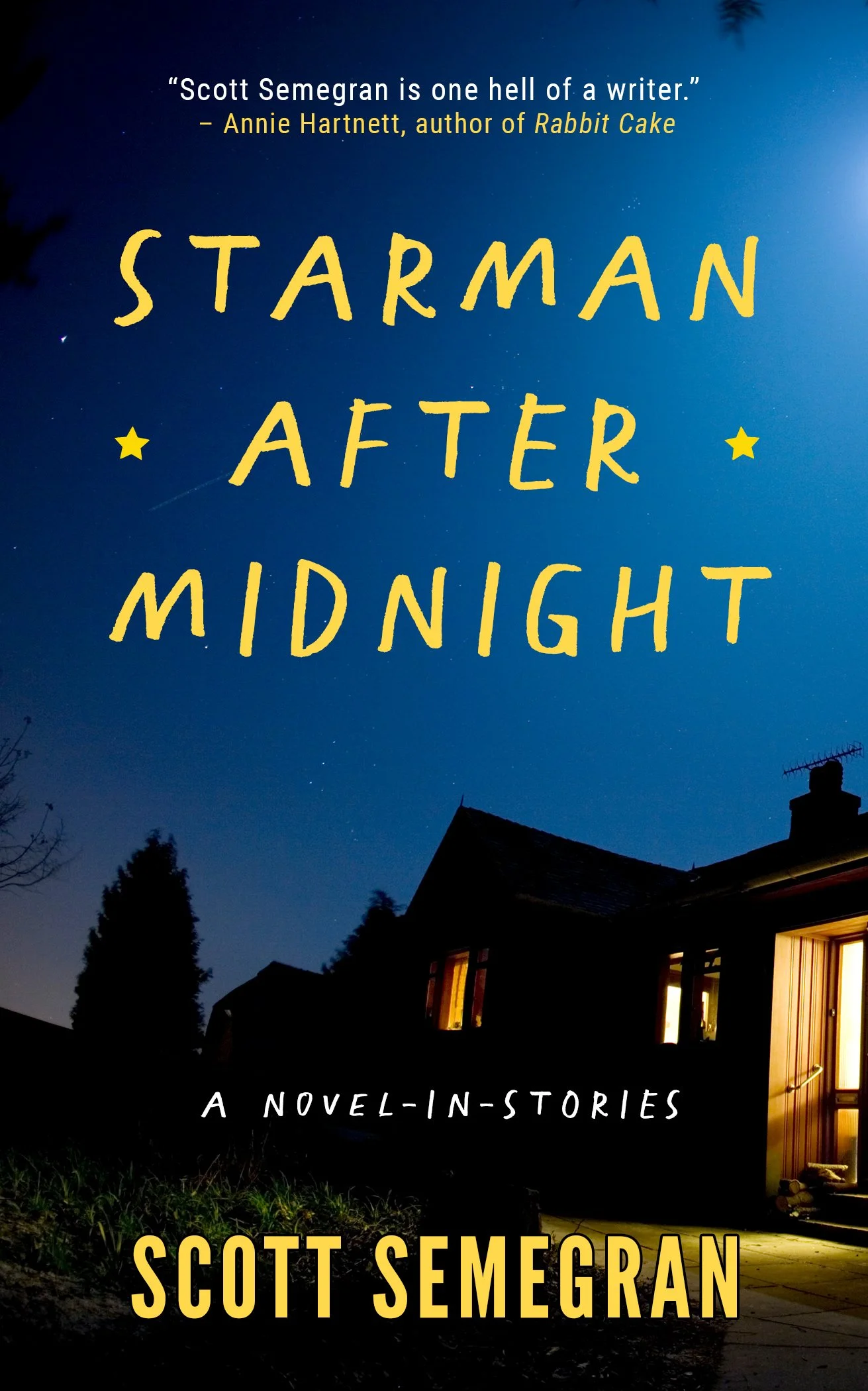
Success In the Press: Starman After Midnight by Scott Semegran

"Darkly Funny" - Publishers Weekly

"Darkly Funny" - Publishers Weekly ★

From the Author: In suburban Wells Port, things are not what they seem: wild animals appear unexpectedly in backyards, raised garden beds produce fruit in days, not weeks, and a mysterious figure lurks across sidewalks late at night.

The stories in Starman After Midnight weave an often hilarious and sometimes melancholy spell. Four young boys are terrorized by a wiener dog on their walk to school, but strategize for a safer route. A beer-loving man befriends a likeminded neighbor, only to discover his jovial new acquaintance is a registered sex offender. An elderly Uber driver suspects a young rider is being lured by a night stalker and debates whether he should help her or mind his own business.

Connecting these stories are two next-door neighbors—Seff and Big Dave—who couldn't be more different: one a progressive-minded writer, the other a conservative plumber. Their love of beer drinking, backyard philosophizing, and gossiping brings them together. When several pets in the neighborhood wind up missing or worse—dead—Seff and Big Dave monitor their security cameras for the culprit. When they discover a naked man roaming their street late at night, suspicions are raised while hysteria spreads through the neighborhood social media app. What is the connection between the missing pets and this naked man? Seff and Big Dave form a posse of neighbors to find out.

“Darkly funny... Semegran has a knack for drawing colorful characters. This waggish slice of life is worth a look.”
— Publishers Weekly

Moving between humor and surrealism, friendship and grief, Starman After Midnight is a novel told in stories, a collection that adds up to something greater than the sum of its parts. From the quirky imagination of Scott Semegran, Starman After Midnight packs a comedic punch and uncovers the magic that seems possible in ordinary places.

Our Take: This genre-blurring, voice-rich collection slips easily between laugh-out-loud suburban absurdity and moments of startling tenderness. Told in interconnected stories, Starman After Midnight captures the strange magic of ordinary lives—where wiener dogs become villains, neighbors become investigators, and a beer on the porch might spark an existential breakthrough. Scott Semegran writes with equal parts warmth, wit, and just enough weird to keep you guessing. A perfect pick for fans of slice-of-life fiction with a surreal twist, or anyone who suspects there’s more to the cul-de-sac than meets the eye.

From the Reader: “There is a reason this author is one of my favorites. His writing is so flawless and makes reading a delight […] I love how quirky the two main characters are and how their friendship just...is. You have to read this to understand what I mean by that.”

Amazon | Goodreads | Author Site

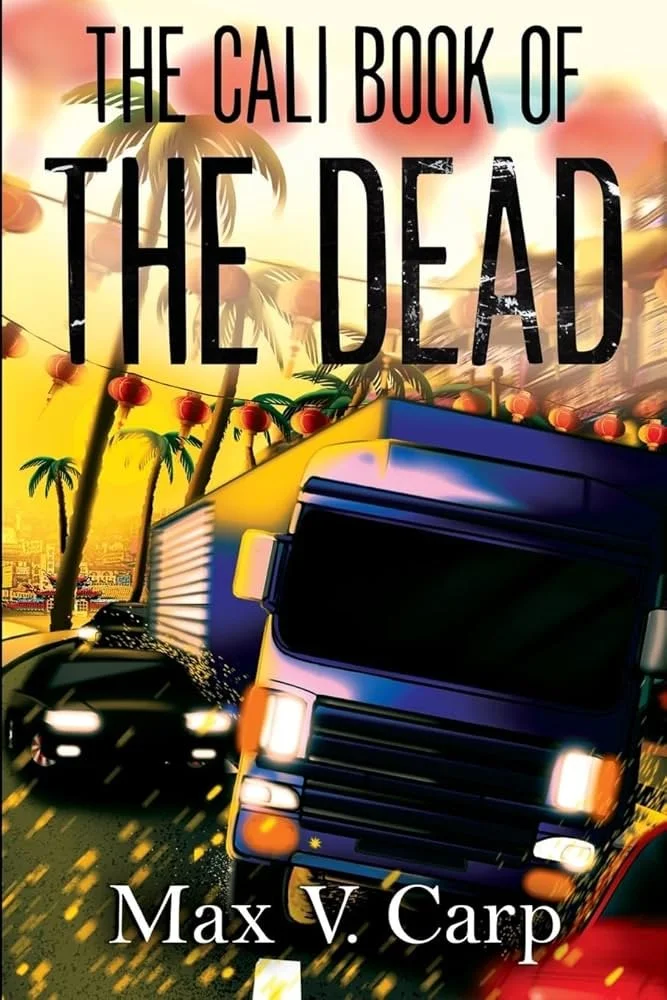
Success In the Press: The Cali Book of the Dead by Max V. Carp

"A story that readers will feel to their core." - Los Angeles Book Review

"A story that readers will feel to their core." - Los Angeles Book Review ★

From the Author: Landon Briggs is a small-time crook, gambling addict, Iraq war vet, and a dabbler in Buddhism amongst other things. He finds a new mission in trying to stop his ex-wife from marrying Ray, the trucking company con man who is about to become his son's "new dad".

When Landon steals one of Ray's cigarette-filled trucks one sunny day, all hell breaks loose. Landon finds himself navigating an increasingly dangerous cat-and-mouse game while, along the way, friends and foes share their unexpected insights into what Buddhists call the "luminous path of innate wisdom". As the long Cali days tick by, the question arises: which final path will Landon ultimately travel?

“Max V. Carp integrates spiritual concepts such as Buddhism, oracles, destiny, dream sequences, and bodily possession into a rough and ready story that readers will feel to their core.”
— Kyle Eaton, Los Angeles Book Review

Our Take: Fast-paced, darkly funny, and strangely meditative, The Cali Book of the Dead is a wild ride through the sun-baked chaos of modern California. With dry wit, sharp edges, and a surprising spiritual undercurrent, Max V. Carp delivers a gritty meditation on fatherhood, forgiveness and the clarity that comes from chaos; This one is perfect for readers who like their redemption stories weird, wise, and a little bit wild.

From a Reader: “[…] it blew my mind. Fantastic plot, characters, one memorable scene after another, I could go on and on. [The] ending is not for the squeamish […]”

Amazon | Goodreads | Author Site

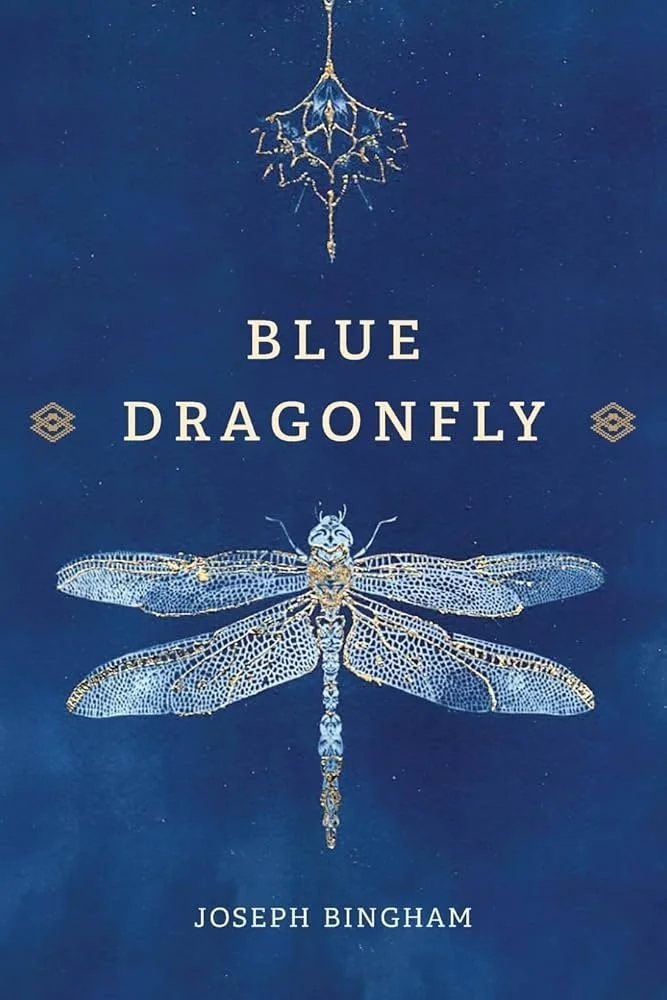
Success In the Press: Blue Dragonfly by Joseph Bingham

International Review of Books Gold Medal Award

International Review of Books Gold Medal Award ★

From the Author: Pedí and Adací are born with unusual gifts inherited from their massacred ancestors. Pedí, a boy discounted and shunned due to his peculiarities and heritage, understands the healing plants of the forest and has a rare relationship with the animal world. Pedí can communicate with animals but stammers when he tries to talk with people. Adací is an adopted girl whose lineage is kept secret. Her dreams and visions of the past, present, and future, create havoc within her family and society. Despite her best efforts, these dreams often come true. She is afraid she’s going to kill the boy she loves.

Blue Dragonfly takes you into a tropical world of fantasy, disease, forbidden love, and strange creatures of the natural world.

Our Take: Blue Dragonfly is a lush and lyrical story set in a world where ancestral memory, nature’s magic, and quiet rebellion shape the lives of two young people with mysterious gifts. Pedí and Adací are outsiders in their own community, but their deep connection to the natural and spiritual realms offers both danger and possibility. With rich worldbuilding, emotional depth, and a thread of star-crossed love, this is a tender, imaginative novel for readers who enjoy coming-of-age stories laced with myth, mystery, and the magic of the natural world.

From a Reader: “Great storytelling and immediately engaging! Loved the mix of nature, ancient cultures, and the mix of real and the mythical. Would highly recommend!”

Bragging Rights:

★ Gold Medal Award from International Review of Books

What the author has to say about working with Yellow Bird: “Rebecca Maizel at Yellow Bird helped me so much with my early draft. Her suggestions helped me craft the final manuscript, though it still took me time as a beginning writer to make all the changes I needed to do.”

Amazon | Goodreads | Author Site